From bucket-list moments like the Super Bowl, the Barmy Army’s curated cricket itineraries, and the Instagram-worthy glamour of the US Open, travelling for sport has long been a key part of the fan experience. But over the past few years, we’ve seen a shift in how rights-holders and brands are reimagining the sports arena to align with a new generation of fan profiles.
Sports tourism now represents around 10% of the global travel industry and is forecast to grow by 16.43% annually a year through to 2032, making it one of the fastest-growing segments in travel. For brands, this growth unlocks fresh opportunities to engage fans by building culturally connected experiences that capture the excitement and immersion fans increasingly seek.
Several forces have converged to put sports tourism at the heart of modern travel:
With this backdrop, sports tourism can be grouped into three broad categories: major events, destination events, and active events. Each offers brands unique ways to engage fans.
Major events like the Olympics, FIFA World Cup or Champions League finals, attract mass international attendance and dominate cultural conversations. While the cost of official sponsorship can be prohibitive, the growth of sports tourism allows non-sponsor brands to still play a meaningful role in the fan journey.
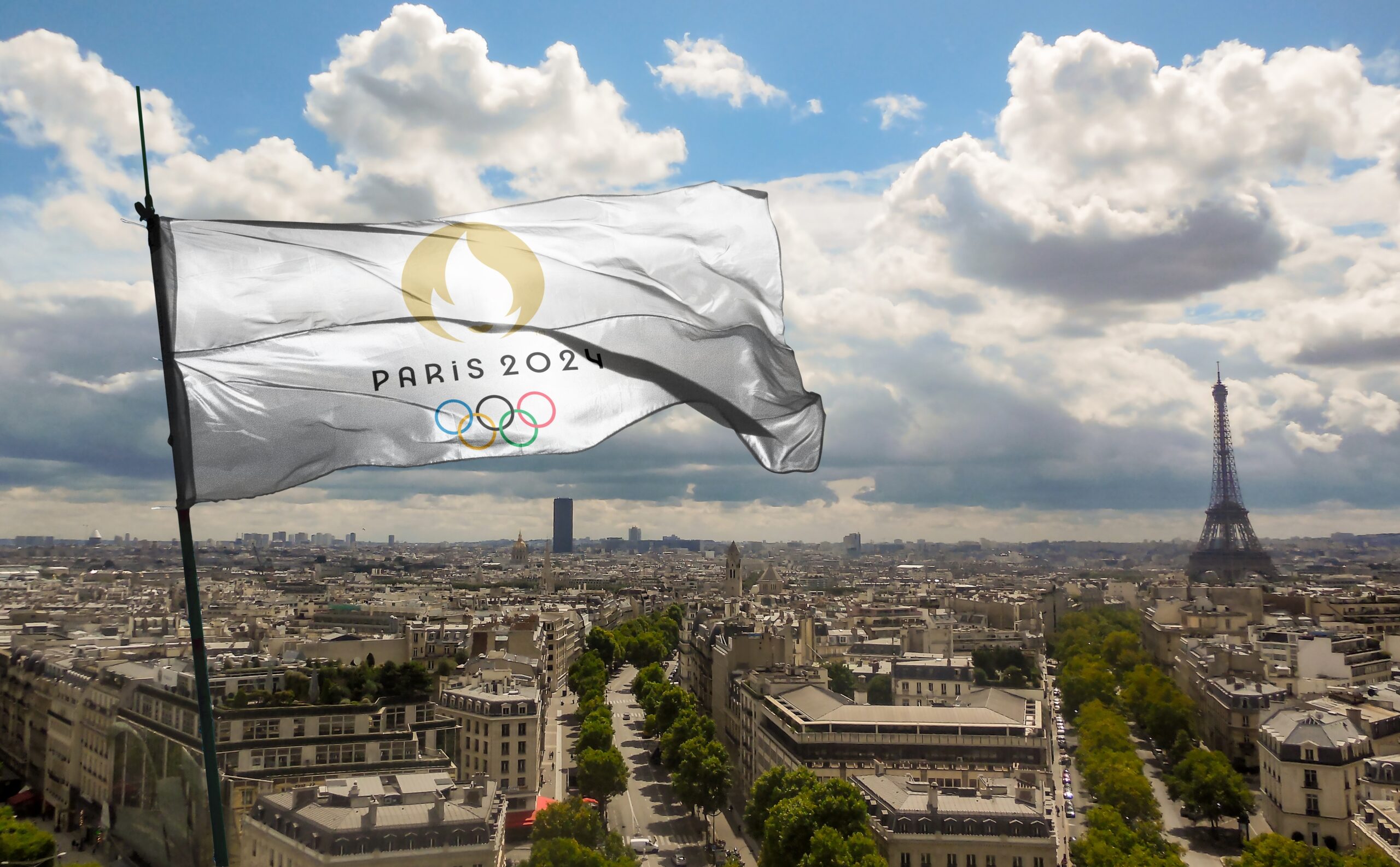
Paris 2024 Olympics
The Paris Games was a watershed moment, with the opening ceremony being held outside the stadium for the first time in modern Olympic history. Without a traditional Olympic Park, events were staged across the city in temporary sites, blending sport with iconic landmarks. This inspired brands to activate creatively beyond official zones, and tailoring experiences to a tourist sensibility.
The shift from centralised exhibition spaces toward brand-led consumer touchpoints reflects a larger trend: activations are moving from being property-led to being brand-led, where creativity, cultural relevance, and innovation drive engagement.
Looking ahead to Milan 2026 and Los Angeles 2028, we can expect the city-sport integration to become even more pronounced. Each host city will serve as a canvas for creative expression, offering opportunities for brands to deploy their budgets in effective ways.
UEFA Champions League
European football is built on matchday traditions, from local pubs to ritualistic routes to the stadium. These behaviours are integral part of the fan tourism experience, creating moments brands can authentically tap into.
The learning here is that cultural impact now outweighs proximity to the field of play. Success comes from understanding how fans interact with a host city and creating moments of surprise, shareability, and belonging along the way.
As events like Milan 2026 and Los Angeles 2028 embrace citywide formats, brands that treat the city itself as a creative playground will gain an edge. If you think back to your own holidays, often the most memorable moments are those that add unexpected cultural or interpersonal layers to the trip.
In some cases, the location itself is inseparable from the sport. These destination events blend heritage, culture, and competition, giving brands a chance to become an unmissable part of the environment.
Roland Garros
No other calendar moment is representative of a destination event like the Grand Slams. The Australian Open (a.k.a. “Happy Slam”) is famous for its festival atmosphere, while Wimbledon and the US Open are increasingly being referred to as the “runways of tennis”, where sport and high fashion come together. Though it’s Roland Garros, hosted amongst the spectacle and history of Paris, that epitomizes the destination event. The competition seamlessly embodies Parisian elegance where tennis meets haute couture, gastronomy, and fashion.
Singapore Formula 1
Catering to a growing younger F1 fanbase, the Singapore Grand Prix is a citywide celebration that happens to have a night race running through it. With sold-out podiums where approximately half are not locals, the majority of fans aren’t inside the track complex. Hospitality is so high that occupancy rates for trackside properties regularly hit 90–100%, while brands compete to outdo one another with ultra-exclusive social experiences:
The premium positioning does risk excluding local fans, with affordability cited as the main barrier to attendance for Singaporeans. Still, the appetite for luxury sport-tourism experiences remains insatiable, creating fertile ground for brand creativity.
Destination events show how place and experience can merge into powerful storytelling, illustrating that fans increasingly value the cultural context surrounding sport whether that’s the food, fashion, music, and nightlife which make each destination iconic. The insight: to win in destination sport tourism, brands must design experiences that feel native to the location, seamlessly blending the brand DNA with the atmosphere and aspirations of fans.
The final category is the active event (a term borrowed from The National Geographic), where travel and physical activities merge. These range from marathons and triathlons to wellness retreats and “mara-cations” – holidays built around running or cycling challenges. In the post-pandemic era, fans are choosing to go beyond passive participation in sport; they’re travelling to get involved in activities themselves.
For brands, these events offer a chance to align with values of personal achievement, health, and community; powerful, emotive drivers that extend well beyond traditional sponsorship and underscoring a shift from watching sport to living it. Fans now travel to test themselves, to join communities, and to collect experiences that feel personally transformative. Whether through co-creating training programs, offering recovery experiences, or celebrating the journeys of everyday athletes, the most resonant brands will be those that empower fans to see themselves not as audiences, but as part of the action.
Sports tourism offers a powerful lens for reimagining how brands activate around a sport. It gives fans a unique way to experience a culture, a city, and a lifestyle. Those who succeed will think ‘beyond the whistle’, understanding that official rights aren’t the only route to relevance. They’ll tap into lifestyle and cultural identity, embedding themselves throughout the fan journey, and they’ll design for a more diverse audience that reflects the rise of women’s sport, shifting life priorities, and younger fans redefining what it means to be a sports tourist.
The world’s largest member-based racing event – the Melbourne Cup – took place last week and central to their new proposition is “festival vibe” (as per CEO Kylie Rogers). Taking a page from the Australian Open and Melbourne F1, both of which are known for their multi-passion extravaganza across music, food and fashion, this year’s horse race will feature DJ’s, curated small plates and a renewed drinks offering. It will be interesting to follow their revamp and whether they can align to the sensibilities of a younger crowd.
And with two major events scheduled for next year: Winter Olympics in Milan and the FIFA World Cup across USA, Mexico and Canada, 2026 is set to be another landmark year for sports tourism, where being culturally connected and seriously effective will separate the brands who truly connect with fans.