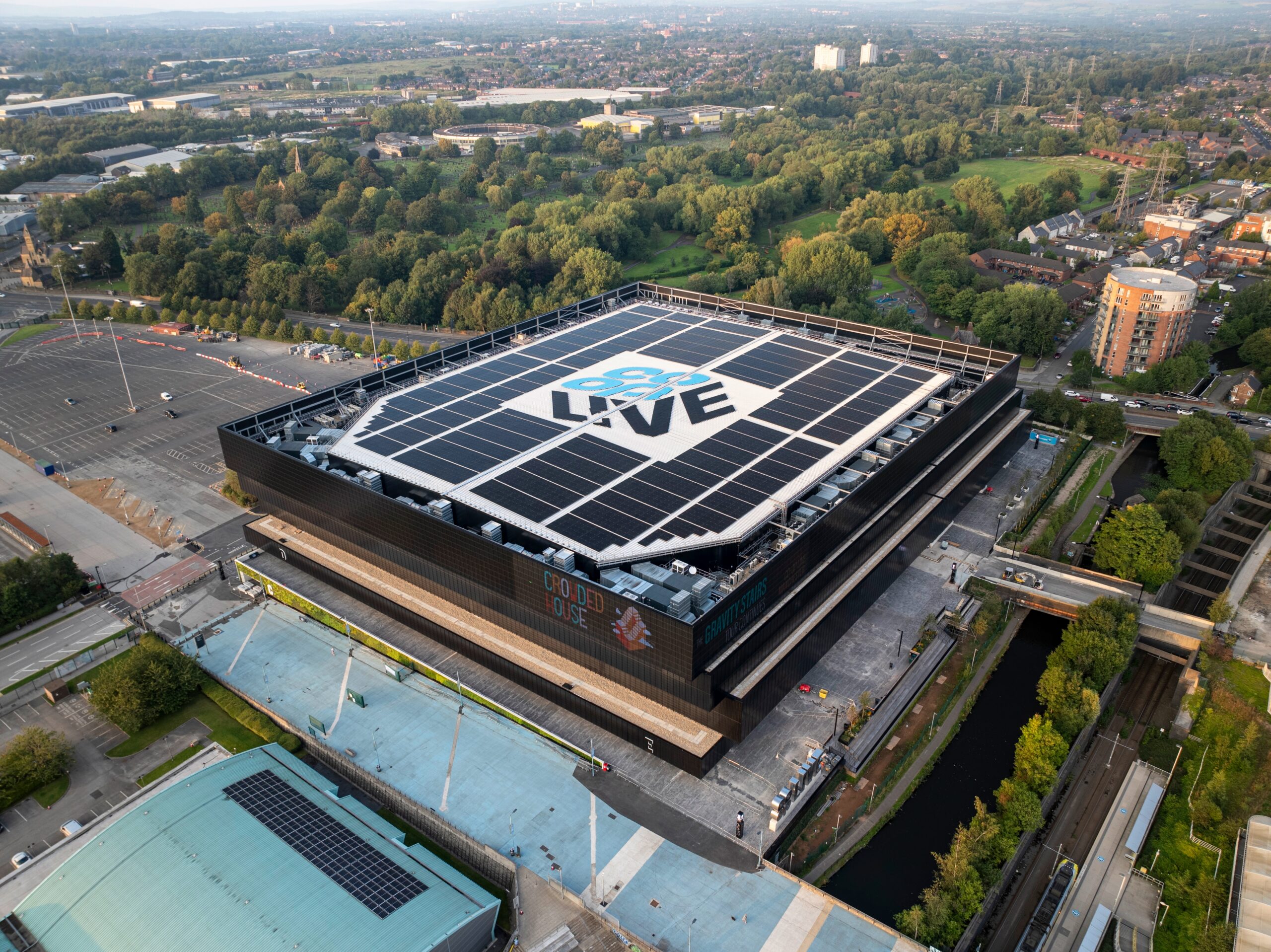
2026 will see the BRIT Awards leave London for the first time in the show’s history. Moving to Manchester’s Co-op Live, as part of a 2-year deal, this spotlights a city whose musical heritage has shaped generations and creates a foundation for authentic, Manchester-rooted brand storytelling and community impact. More than a change of venue, the move signals a bold new direction for the BRITs, breaking five decades of London tradition and reflecting a more diverse, decentralised UK music culture. It reinforces Manchester’s role as one of the country’s most influential music capitals, home to icons like Oasis, The 1975, and The Stone Roses – placing authenticity, creativity, and regional talent at the centre of the show’s identity.
Grounding the BRITs in a regionally significant location has the potential to drive stronger engagement and can bring deeper credibility, as showcasing a city’s creative roots help audiences feel seen, valued and part of the narrative. With existing local communities and fandoms, engagement is driven by organic participation, allowing content to feel authentic and shareable. This also enables the location to have genuine cultural weight as it mirrors cities like Los Angeles and Las Vegas that host major music and cultural shows because of their deep entertainment heritage.
The trophy, which is designed by a different cultural figure each year, has been designed by Manchester-born fashion designer Mathew Williamson, who was heavily influenced by the city’s iconic worker bee symbol and used amber-toned resin to represent “golden honey”. Also, Manchester’s own Noel Gallagher has been named the BRITs 2026 Songwriter of the Year, set to collect the award on home turf. Together, these hometown connections underscore the significance of bringing the ceremony to Manchester, celebrating the city not just as a host, but as an integral part of the BRITs’ story this year.
In the lead up to the show, a citywide cultural programme is taking place which includes: a BRITs Art Trail, showcasing North-West artists across Northern Quarter & Ancoats; a Microdot exhibition at Manchester Piccadilly Station, celebrating iconic British music artwork. Also, a series of community-focused initiatives, ranging from free tram travel for the awards’ ticketholders to front-of-stage pit access for Manchester university students. It also introduces the first BRITs Fringe / FRINGE LAB, in collaboration with music charity Brighter Sound and Manchester Music City, with workshops, talks, and talent development. This unlocks a powerful opportunity set for brands:
For brands, it’s not enough to sponsor the big televised moment and hope for a ripple effect. Brands need to build relationships with the communities, institutions and individuals who hold cultural authority at a local level. The most effective strategies connect national partnerships to grassroots ecosystems, creating credibility beyond the main stage.
Ultimately, the BRITs’ move to Manchester shows that location isn’t just geography, it’s strategy. It challenges us to rethink how placing culture close to the communities who shape it can unlock new levels of authenticity, participation and long-term brand value. We’re looking forward to seeing how this plays out, the results it generates, and how it continues to evolve next year for the 50th anniversary of the award which is also held in Manchester.